
Why Work Life Balance Matters Today?
Have you thought of work life balance, the elusive ideal that so many professionals strive to achieve? Although it is frequently linked to the business sector, its significance goes well beyond that. Anyone balancing professional obligations and personal goals recognizes its importance, regardless of industry.
However, what has made it such a popular term? Does stress affect every employee? How does your work occasionally eclipse happiness and contentment if it is essential to your survival?
We’ll examine these issues in this blog and discuss the importance of work-life balance for both career success and personal fulfillment. We’ll also explore how businesses are taking action to guarantee that their workers prosper and achieve the ideal balance between work and life.
Five typical types of excessive workaholics
Five typical types of excessive workaholics that provide difficulties in professional settings have been discovered over the years. This is a summary:
1. The diligent
- Unending corrections result from their ongoing discontent with their own work.
- Struggles with relationships, self-esteem, productivity, and health.
- Frequently caught in a vicious cycle of burnout and overwork.
2. The People-Pleaser
- Always answers “yes,” even if it means sacrificing one’s own wellbeing.
- Struggles to establish limits, which results in overcommitment.
- Being able to say “no” is crucial for both professional and personal development.
3. The Procrastinator with Priorities
- Either doesn’t prioritize things or does so in the wrong way.
- Failure or delays are frequently the consequence of poor priority management.
- This can be handled by adopting flexible priorities while maintaining focus on your objectives.
4. The Blender of Work and Life
- Reduces effectiveness in both personal and professional life by combining them.
- Lacks focus, which lowers performance.
- The secret to progress is to aim for equilibrium and distinct limits.
5. The Fan of Monotony
- Feels that repeating tasks increases output, which frequently results in fatigue.
- Growth is hampered when breaks and personal time are neglected.
- Regular analysis and periodic breaks are essential for long-term productivity.
Why Does Work Life Balance Matter?
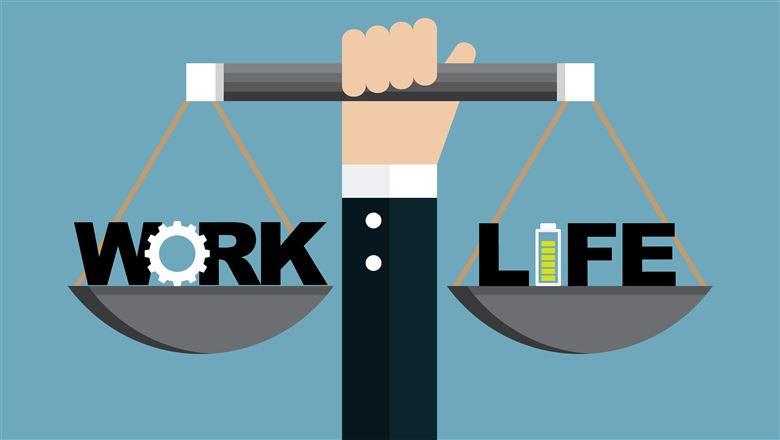
- By lowering stress and encouraging better lives, it improves both mental and physical well-being.
- By spending more time with family and interacting with others, personal bonds are strengthened.
- Through a renewed and concentrated thinking, it increases creativity and productivity at work.
- By lowering the chance of burnout, it guarantees consistent energy and performance levels.
- Enhances workplace satisfaction, which makes workers happier and more involved.
- Promotes improved time management abilities and efficient responsibility balance.
- Encourages better practices like consistent exercise, a balanced diet, and enough sleep and by creating a positive and well-rounded workplace culture, it improves employee retention.
- Assists people in making leisure, hobbies, and personal development a priority.
- The achievement of the organization is facilitated by a healthy, devoted, and driven workforce.

Analyzing your own burning warning signs
Burnout can sneak up on you, often starting with feelings of helplessness or a lack of control over your work. If you notice that you feel like your efforts are going unrecognized, or if your job expectations are unclear or overly demanding, these are red flags. Repetitive or unchallenging tasks can also contribute to feelings of stagnation, leaving you uninspired and disengaged. This is particularly true in chaotic, high-pressure environments, where the constant stress can drain both your energy and motivation. It’s important to acknowledge these signs early, as they can spiral into deeper burnout if not addressed.
Lifestyle factors play a significant role in burnout. Working excessively long hours can leave little room for rest or socializing, exacerbating feelings of isolation. This lack of balance may also extend to your personal relationships, especially if you’re not receiving support from family, friends, or colleagues. Overloading yourself with responsibilities without the proper help or resources compounds the issue.
Additionally, insufficient sleep and the pressure of perfectionism—feeling like nothing is ever “good enough”—can further contribute to emotional exhaustion. If you’re consistently pushing yourself without adequate recovery, it’s essential to step back and reevaluate your limits.
A pessimistic attitude about yourself or the world can signal a deeper sense of dissatisfaction and burnout. Negative thinking may become all-consuming, leading you to doubt your worth and abilities. Recognizing these symptoms is the first step in taking proactive measures to manage your stress and reclaim a sense of well-being. This could involve setting clearer boundaries, seeking support, or prioritizing self-care practices like sleep and relaxation. The sooner you address these signs, the better your chances are of preventing long-term burnout.
The Impact of Poor Work-Life Balance
Excessive stress, anxiety, and burnout brought on by a poor work-life balance can negatively affect one’s mental health and general well-being.
People who struggle with balance frequently have less energy, have trouble with relationships, and don’t have as much time for hobbies or personal growth.
Proactively addressing this mismatch is crucial for firms since it leads to lower employee engagement, higher absenteeism, and higher turnover rates.
Work-Life Balance Trends in Different Industries
- Tech Industry: The lines between work and personal time are frequently blurred by heavy workloads and flexible scheduling. However, in an effort to draw in talent, businesses in this industry are increasingly providing benefits like unlimited paid time off and remote work.
- Healthcare: Although initiatives like shorter shifts and mental health programs are gaining hold, professionals frequently find it difficult to maintain balance due to long and unpredictable hours.
- Corporate Jobs: Although conventional 9–5 jobs offer consistency, the emergence of remote and hybrid work has changed expectations and occasionally increased the need to be available at all times.
So!
Establishing a positive work-life balance or integration is essential for both professional and personal success. Workers who lead balanced lives have better physical, mental, and emotional well-being, which improves their productivity and job performance.
People can improve their stress management, prevent burnout, and free up more time for hobbies, relationships, and self-care by clearly defining the boundaries between work and personal time. Promoting work-life balance benefits firms by increasing employee engagement, lowering absenteeism, and improving retention, all of which contribute to a positive workplace culture and sustained success.
FAQ’s
1. What is work-life balance?
It’s the balance between work and personal life, crucial for reducing stress, boosting health, and improving productivity.
2. How can I spot burnout?
Signs include feeling helpless, unrecognized efforts, and emotional exhaustion. Early recognition is key to managing it.
3. How can employers help with work-life balance?
Employers can offer flexible schedules, remote work, and clear boundaries to support employees’ well-being and engagement.
4. How can I set boundaries for better balance?
Define work hours, communicate expectations, and prioritize self-care to create a healthier work-life balance.